


AMP Research Wire Harness Kit
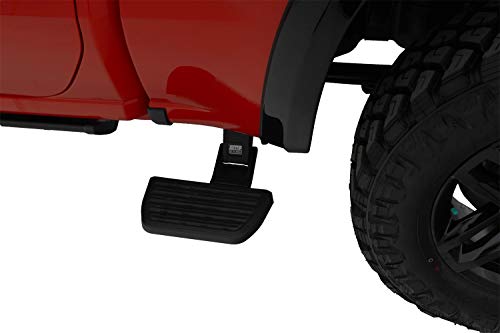
Our wire harness kit eliminates the guesswork from PowerStep installations. Factory-engineered for truck-specific applications, this plug-and-play system connects directly to your vehicle's OBD-II port and door triggers without cutting or splicing factory wiring.
Each harness ships pre-terminated with weatherproof connectors rated for extreme temperatures and road conditions. We've designed every wire length and connector position to match your exact truck's architecture, ensuring clean routing through firewall grommets and along frame rails without excess slack or tension points.
What's included with your harness
Wire Construction & Weatherproofing
We build every AMP Research wiring harness with automotive-grade TXL wire featuring cross-linked polyethylene insulation that resists abrasion, fuel, and chemical exposure. The UV-resistant jacketing prevents wire degradation from sunlight during underhood routing, while tinned copper conductors ensure corrosion resistance in salt-belt environments.
All connector housings use Deutsch-style weatherproof seals with silicone O-rings at each pin cavity. Heat-shrink tubing reinforces every solder joint, and we apply dielectric grease to all terminals before assembly. This multi-layer protection strategy maintains signal integrity through water crossings, pressure washing, and daily temperature cycling common to truck operation.
Vehicle-Specific Fitment Guide
Connector Compatibility
Our harness kits ship with make-and-model-specific connectors that match your truck’s factory door jamb switches and diagnostic port pinouts. Ford F-Series applications use a different OBD-II tap configuration than Chevrolet Silverado or RAM 1500 models, and our engineering team maps these variations to eliminate adapter requirements.
Wire Routing Paths
We calculate optimal wire lengths based on factory service manual measurements from the diagnostic port through firewall grommets to each door trigger point. This vehicle-specific approach prevents excess wire coiling under dashboards or stretched runs that create tension on connectors during suspension articulation. Installation time typically runs 45-60 minutes with basic hand tools.
Installation Requirements & Tools
Installation requires basic automotive tools: 10mm and 13mm sockets, wire loom routing tool or coat hanger, electrical tape, and zip ties for securing the harness along frame rails. No wire stripping, crimping, or soldering tools are necessary since all connections use pre-terminated plugs.
The kit includes detailed instructions with color-coded wiring diagrams showing exact routing paths for your specific truck platform. You’ll connect the main power harness to the PowerStep motor assemblies first, then route the control module wiring through the firewall using existing grommets. The OBD-II tap plugs directly into your diagnostic port without blocking access for code readers or diagnostic equipment. Final step involves testing door trigger activation at each entry point before securing all wire runs with the included mounting clips.
Complete Your PowerStep System



Rated 4.8 by verified buyers
Wire Harness Kit Installation Questions
No cutting or splicing is required. The harness uses plug-and-play connectors that tap into your truck's existing OBD-II port and door jamb switches without modifying factory wiring. All connections are reversible if you ever need to remove the system.
The OBD-II tap features a pass-through design that maintains full diagnostic port functionality for code readers and scan tools.
Our wire harness kits are engineered for vehicle-specific applications. When ordering, you'll select your truck's exact make, model, year, and cab configuration to ensure correct connector types and wire lengths.
We manufacture harnesses for Ford F-Series, Chevrolet/GMC 1500-3500, RAM 1500-3500, Toyota Tundra/Tacoma, and Nissan Titan platforms. Contact our fitment specialists if you have questions about compatibility with your specific truck.
Most installers complete the harness installation in 45-60 minutes with basic hand tools. The process involves routing the main harness through your firewall grommet, connecting it to the PowerStep motors, plugging the OBD-II tap into your diagnostic port, and securing all wires along the frame.
The included instructions provide step-by-step guidance with vehicle-specific diagrams showing exact routing paths and connector locations for your truck model.
Yes, the harness uses a pass-through OBD-II connector that allows stacking with other accessories like remote starters, performance tuners, and trailer brake controllers. The connector maintains all 16 pins for complete port functionality.
The PowerStep control module draws minimal current in standby mode and doesn't interfere with diagnostic communications or other accessory systems.
The harness is designed for continuous exposure to underbody conditions. All connectors use weatherproof Deutsch-style housings with silicone O-ring seals at each pin cavity, and we apply dielectric grease to all terminals during assembly.
The TXL wire insulation resists water intrusion, road chemicals, and salt corrosion. The system maintains full functionality through water crossings and pressure washing when properly installed according to our routing guidelines.
Yes, we back the wire harness kit with our 5-year/60,000-mile limited warranty covering defects in materials and workmanship. This includes wire insulation breakdown, connector housing failures, and terminal corrosion under normal operating conditions.
Warranty coverage requires professional installation following our provided instructions. We provide replacement harnesses for warranty-approved claims within 2-3 business days.
No, the harness is designed to integrate with your truck's electrical system without triggering warning lights or stored diagnostic codes. The control module monitors door signals through your Body Control Module using factory communication protocols.
Our engineering team has validated compatibility across all supported truck platforms to ensure the system operates transparently within your vehicle's electrical architecture.